Jul 21, 2016
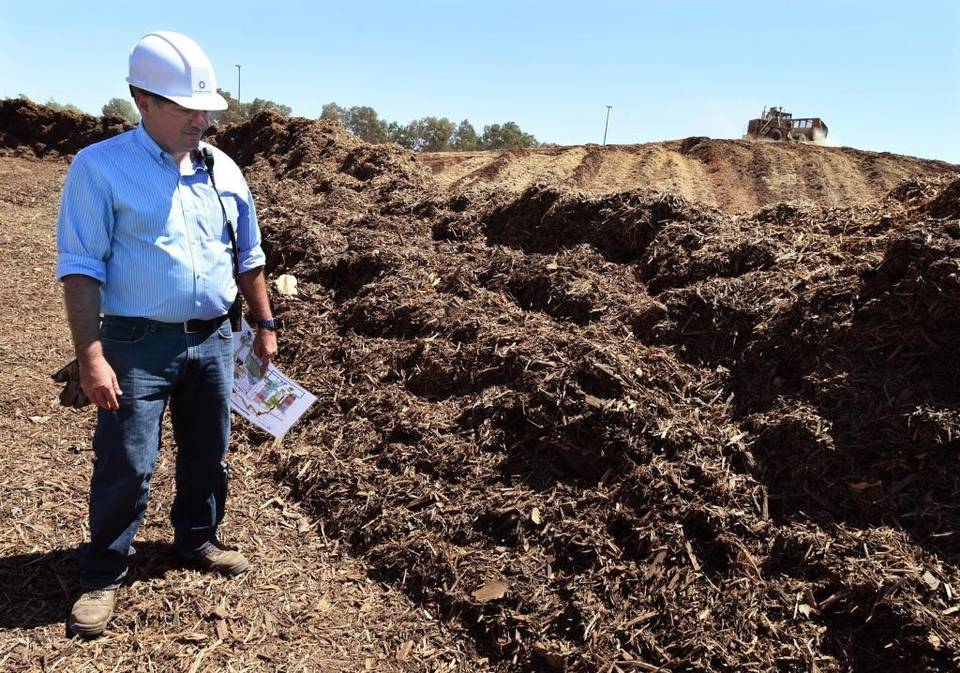
Trees are dying in the Sierra at modern-day unprecedented rates, posing elevated fire danger and creating health, water and air quality concerns, but a possible solution to rid the forest of dead and dying trees is getting short shrift, officials say. California’s biomass industry is set up regionally to turn agricultural waste into electricity while eliminating open burning. But many local biomass plants have closed or are closing soon because it costs less to produce electricity with solar and wind, which get subsidies that are not available to biomass.

Jul 3, 2016
900 sheep, goats ate plants near Fair Oaks Bridge this week. Since 2014, animals have played fire prevention role in Sacramento County. Roseville has a website allowing people to track its livestock fire prevention activities.

May 2, 2016
Investigator’s report blames tree-trimming practices for exposing weak trees to a nearby power line. CAL FIRE plans to seek $90 million in suppression costs from PG&E. Calaveras County to sue as well, estimates county losses at more than $1 billion.

Apr 8, 2016
USGS economists evaluated 21 Department of the Interior restoration projects and found that for each dollar invested in ecosystem restoration, there was a two- to three-fold return in economic activity that rippled through local, regional and national economies. Case study projects include restoration activities associated with Natural Resource Damage Assessment sites and Bureau of Land Management sagebrush and sage-grouse habitat restoration, fuels reduction and post-fire restoration projects.

Mar 5, 2016
Unless action is undertaken to confront the problem of deepening frustrations by many citizens’ collaborative groups, it is likely that the collaborative outcomes envisioned by the USDA Forest Service will not be achieved. It is the hope of the authors that this paper will be instrumental in beginning a national dialogue concerning this growing trend of frustration among citizens’ collaborative groups working with the Forest Service and that actions can be taken to strengthen citizen collaboration.

Jan 31, 2016
A new comprehensive report analyzing potential wood business innovations and market within California is now available.
Dec 31, 2015
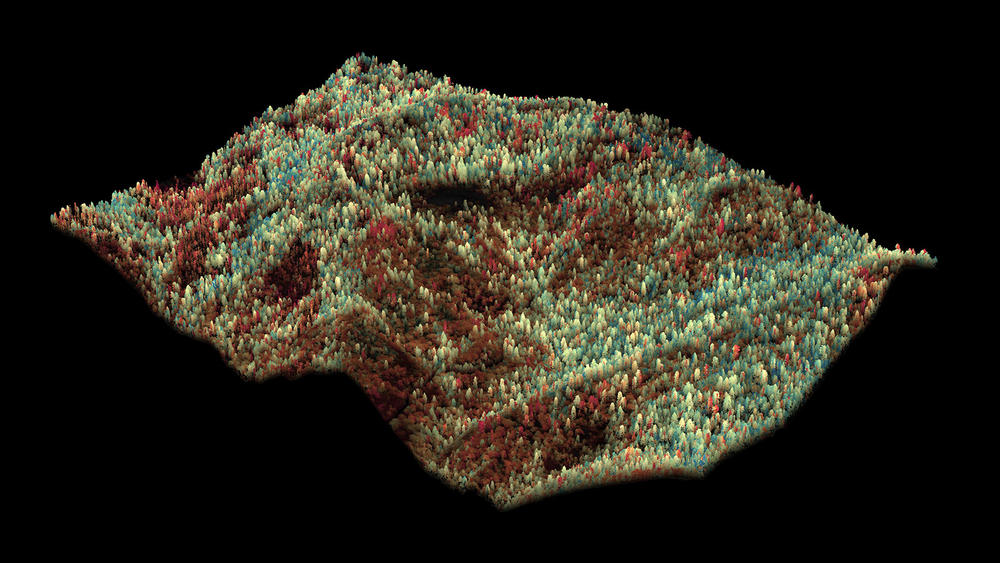
Map showing Central Sierra Forest Drought Effects in 3D
Photo Credit LA Times Science Now article, “New maps show spread and impact of drought on California forests” 31 December 2015